
Comic strips
Tell a short joke, a small adventure, or a moment from everyday life with a compact sequence of panels.
Try this directionA story worth drawing.
Bring your characters, dialogue, and ideas into the frame.
Create comic strips, manga pages, and webtoon scenes from a story or script. Add character references, choose an art direction, and refine the result through chat.
Find the shape of your story
Choose a format and visual direction that fit the pace, mood, and length of your scene.
Tell a short joke, a small adventure, or a moment from everyday life with a compact sequence of panels.
Try this directionGive an action scene or story reveal room to develop with a mix of wide shots, close-ups, and dialogue.
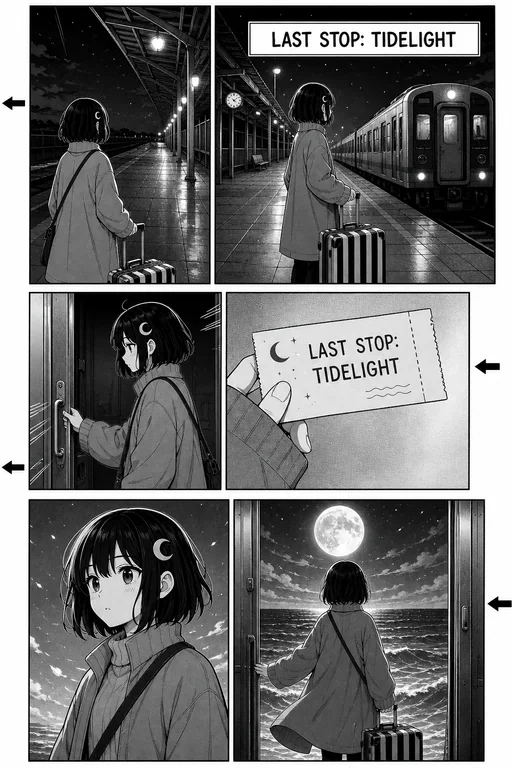
Try this directionExplore expressive ink, black-and-white screentones, or color manga. Specify the reading direction in your brief.
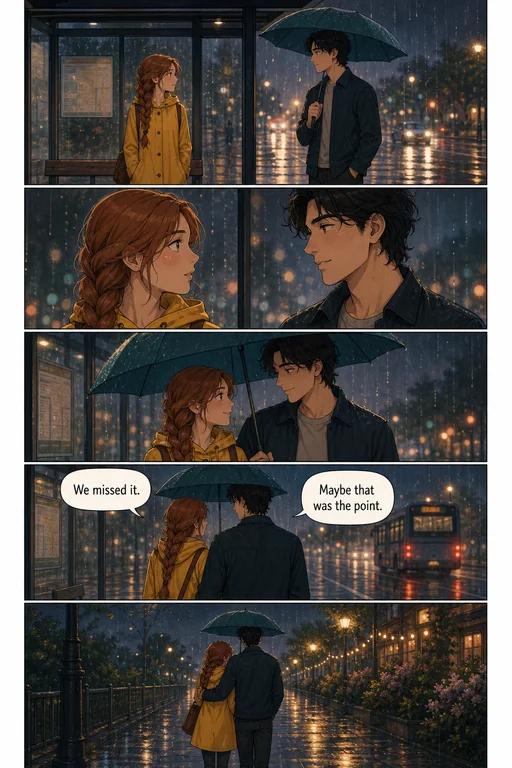
Try this directionUse vertically stacked moments, pauses, and expressive reactions for a short scene designed to read from top to bottom.
Try this directionFrom idea to illustrated story
Build the scene around a clear cast, a sequence of actions, and a look you want to explore.
Describe the characters, setting, and what happens. Start from an idea or paste a short script. Add character reference images when you have a particular look in mind.
List the main story beats, the layout or panel count you want, and the reading order. Specify the art direction and assign each line of dialogue to its speaker.
Generate your comic, read it in order, and ask for changes through chat. Review expressions, character details, and lettering, then download the result when the scene reads clearly.
Comic strip maker
A short strip needs a setup, a change, and a payoff. Give each panel one main action so readers can follow the joke or surprise without a long explanation. Specify whether you want a horizontal strip or a compact grid, and keep the dialogue brief.
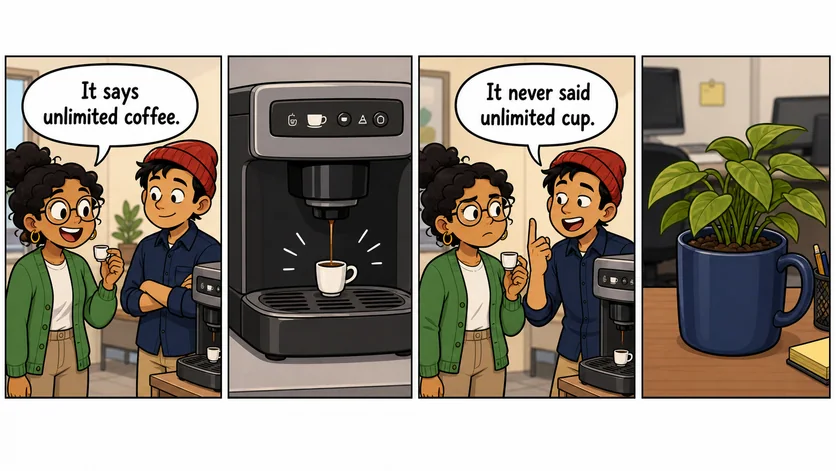
Try this directionCreate one flat 2D horizontal four-panel newspaper comic strip on a 16:9 canvas. Original coworkers Nia, with round glasses and a green cardigan, and Sol, with a red beanie and navy shirt, stay visually consistent. The office coffee machine produces an endless tiny cup; the final panel reveals a normal mug used as a plant pot. Exact dialogue: "It says unlimited coffee." and "It never said unlimited cup." Crisp expressive line art, warm spot colors, white gutters, readable balloons, no extra text, no logo, no watermark.Create your comic
Characters & dialogue
Name the recurring characters and describe the features that matter: hairstyle, clothing, colors, and a distinctive prop. Add a reference image when available. Write the exact dialogue and identify the speaker so the scene has a clear exchange, then review the characters and speech bubbles in the result.
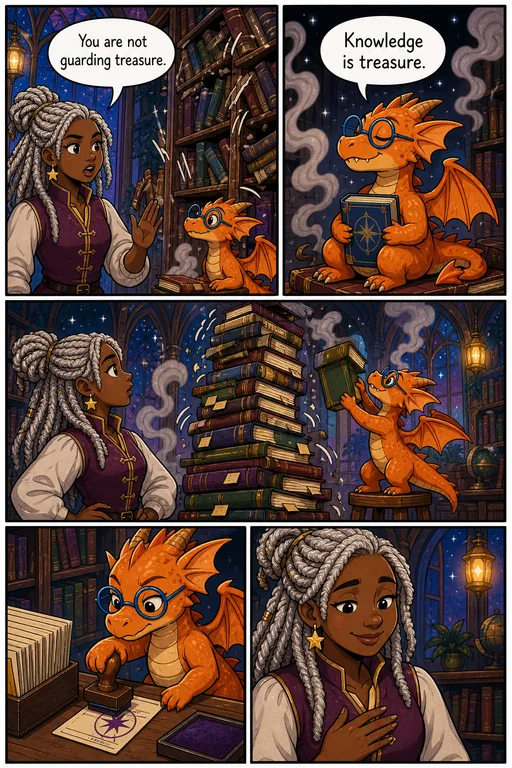
Try this directionCreate one flat 2D five-panel fantasy comic page on a 2:3 canvas. Original librarian Amari has dark skin, silver locs, a plum vest, and star-shaped earrings; tiny orange dragon Pip has blue spectacles in every panel. Shelves shake, smoke curls, overdue-book tower appears, Pip stamps a card, Amari smiles. Exact dialogue: "You are not guarding treasure." and "Knowledge is treasure." Rich storybook inks, jewel colors, clean panel order, readable balloons, no extra text, no watermark.Create your comic
Visual storytelling
Explore a quiet comic with no speech bubbles, or use close-ups and pauses between lines of dialogue. Describe what the reader should notice in each moment. Expressions, poses, and changes in the scene can tell the story while the layout controls its pace.
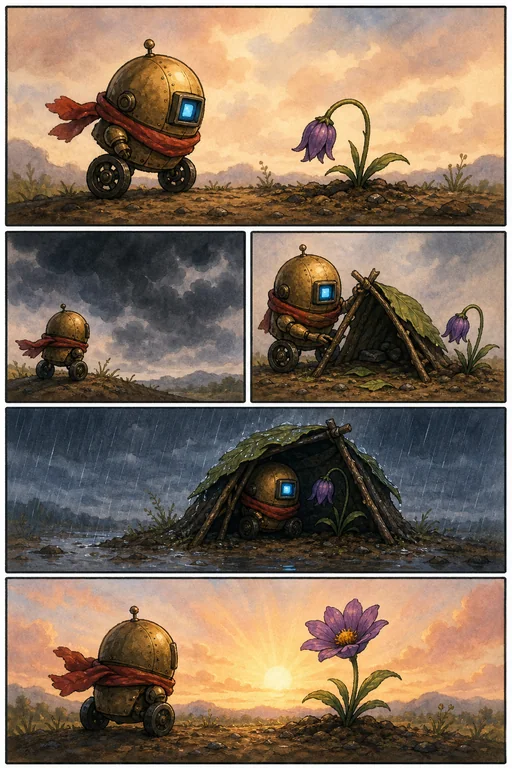
Try this directionCreate one flat 2D wordless five-panel comic page on a 2:3 canvas. Original small round brass robot has one blue square eye, red scarf, and two wheel feet in every panel. It discovers a bent flower, sees storm clouds, builds a tiny shelter, waits through rain, and watches the flower open at sunrise. No speech balloons, captions, sound effects, letters, logos, or visible text. Expressive silhouette, cinematic panel rhythm, soft watercolor and ink, clear reading order, no watermark.Create your comic
A different story in every frame
Explore original science fiction, fantasy, comedy, manga, and wordless scenes. Choose an example to open its prompt, then bring in your own characters and story.
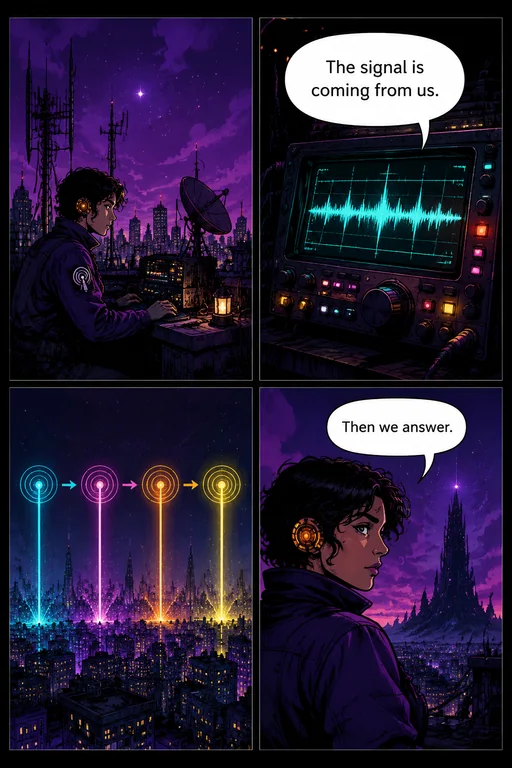
A bold four-panel science-fiction mystery with a clear reveal and recurring hero design.
Use this ideaA concise workplace joke designed as a classic horizontal newspaper strip.
Use this ideaA black-and-white manga page with cinematic pacing and a mysterious station reveal.
Use this ideaA vertical romantic webtoon episode with quiet gestures and atmospheric color.
Use this ideaA whimsical fantasy page about a tiny dragon guarding overdue books.
Use this idea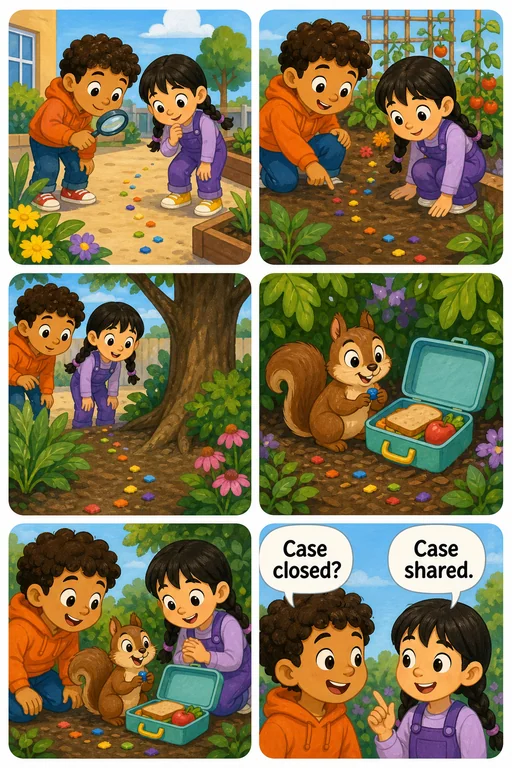
A bright child-friendly mystery with simple panels and a warm resolution.
Use this idea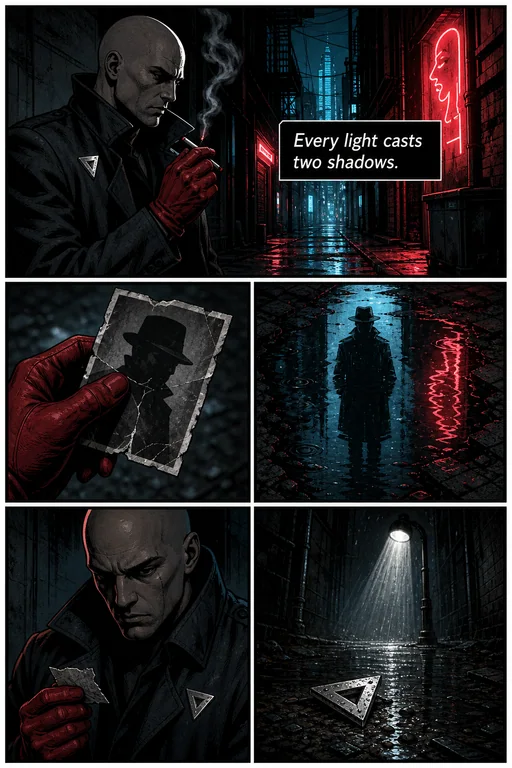
A high-contrast noir page with an original detective and a visual clue reveal.
Use this idea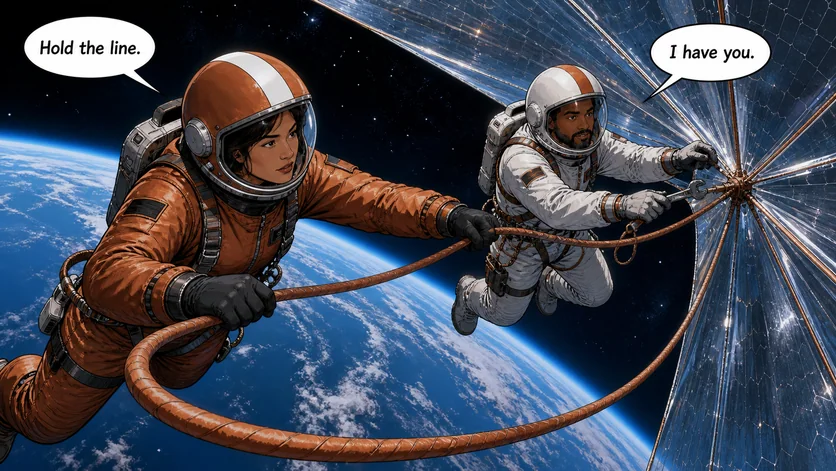
A cinematic single-panel comic moment with original astronauts and concise dialogue.
Use this idea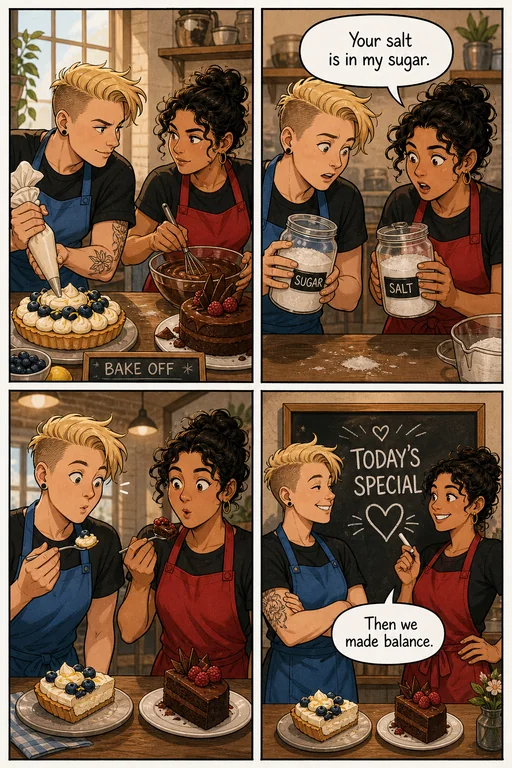
A cozy four-panel rivalry resolved through a shared pastry experiment.
Use this idea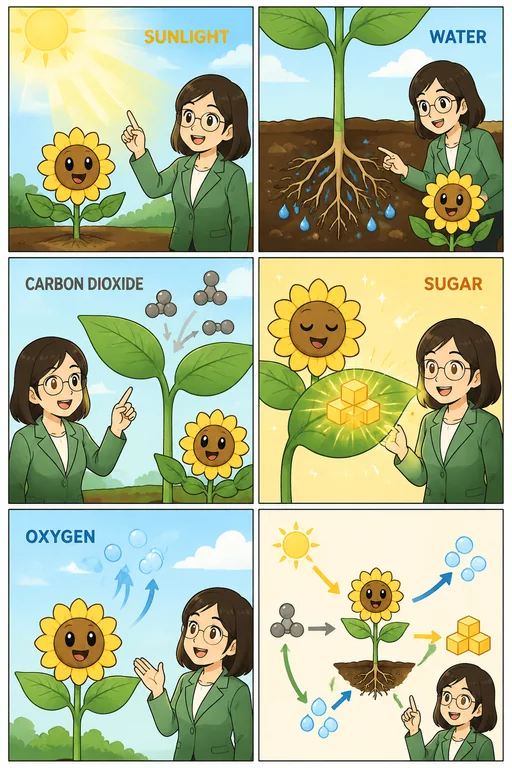
An educational comic that explains a simple concept without inventing extra claims.
Use this idea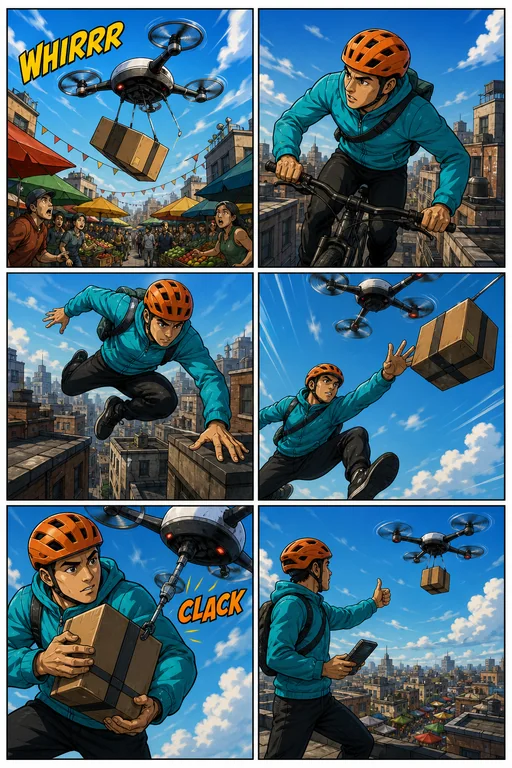
An original action page about a bicycle courier rescuing a runaway drone.
Use this ideaA wordless visual story about a small robot helping a flower survive a storm.
Use this idea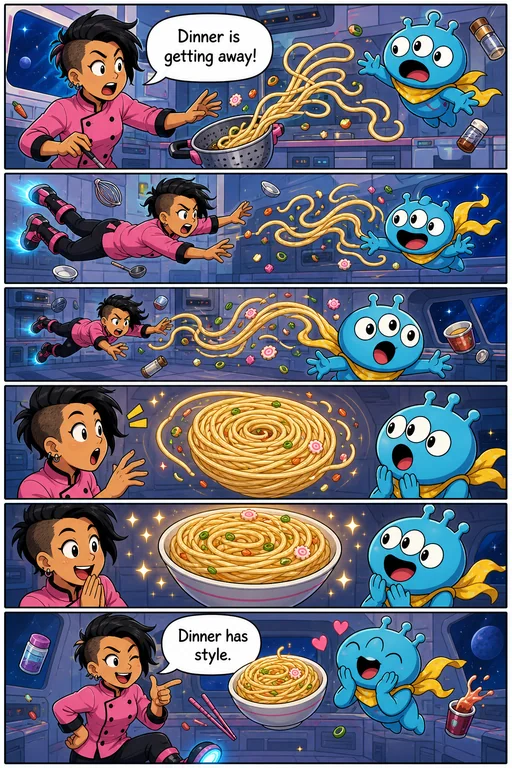
A colorful vertical comedy about cooking noodles in zero gravity.
Use this idea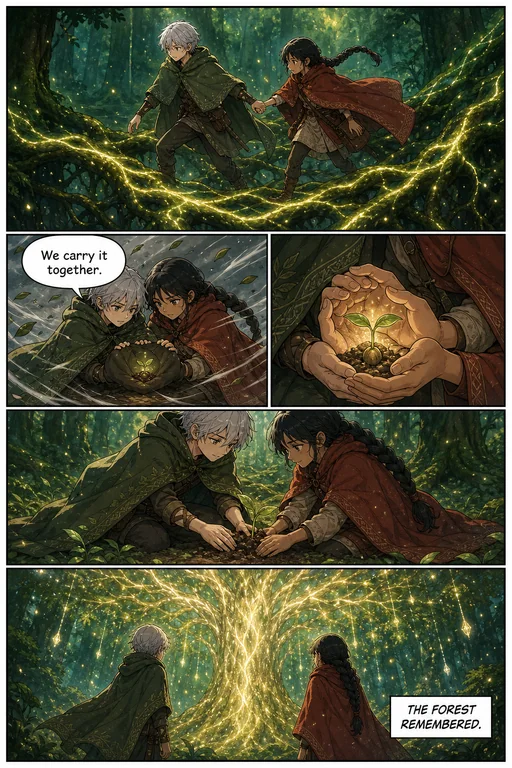
A dramatic color-manga page centered on friendship and a magical seed.
Use this ideaWrite a brief the reader can follow
An AI comic generator creates illustrated stories from written ideas, scripts, or visual references. Vismuse helps turn characters, actions, dialogue, and a chosen style into comic strips and comic pages that you can refine through chat.
Describe the characters and a short story with a clear beginning and ending. Give the key actions in order, specify a horizontal strip or grid, and include the dialogue you want. Review the generated panels and request changes where the story needs to be clearer.
Yes. Paste the scene or script and identify who says each line. Short lines leave more room for the artwork. If exact wording matters, put it in quotation marks and check the lettering and speech-bubble ownership after generation.
Yes. Add a reference and describe the character's name, appearance, clothing, and role in the story. Explain which features should remain recognizable. Review recurring characters for differences in their face, outfit, colors, and props.
Yes. Ask for black-and-white manga, color manga, or a vertically arranged webtoon scene. Describe the linework, color palette, mood, and reading direction, along with the events and dialogue you want to show.
Specify the panel count and layout in your prompt, then describe one main action for each panel. Check the generated page against that plan; AI can vary the layout, so you may need to ask for a clearer sequence or a revised panel arrangement.
Yes. Request a wordless comic and explicitly say that you want no speech bubbles, captions, or visible text. Describe the gestures, expressions, and scene changes that tell the story visually.
Yes. Describe the change in chat, such as a different expression, shorter dialogue, a new background, or a clearer action. Identify the page or panel and explain what should remain the same. Review the revised image before downloading.
No. You can start with a written idea and explain the look you want in ordinary language. A clear cast, a short sequence of events, and a specific art direction help give the comic a stronger starting point.
Comic generation uses Vismuse credits. Check the credit requirement shown in the app and the current pricing page before generating. Vismuse offers subscriptions and one-time purchases.