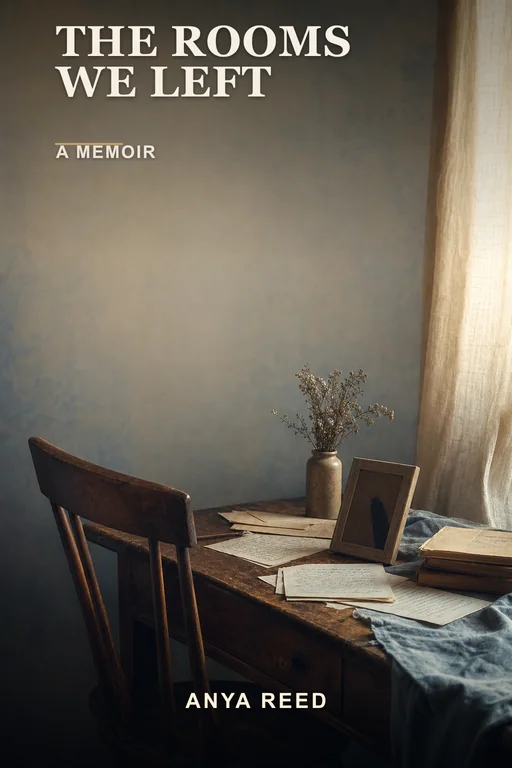
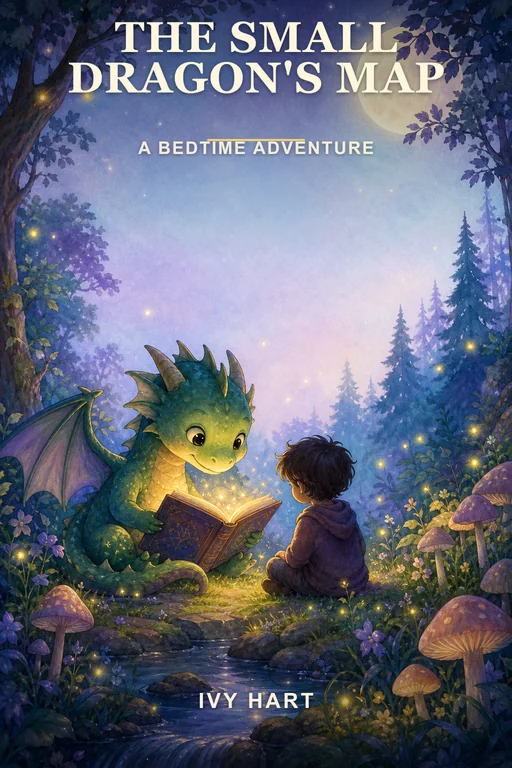
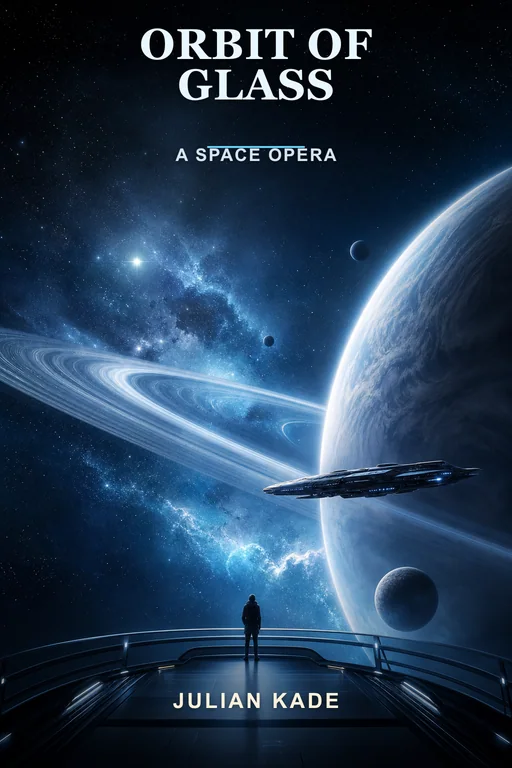
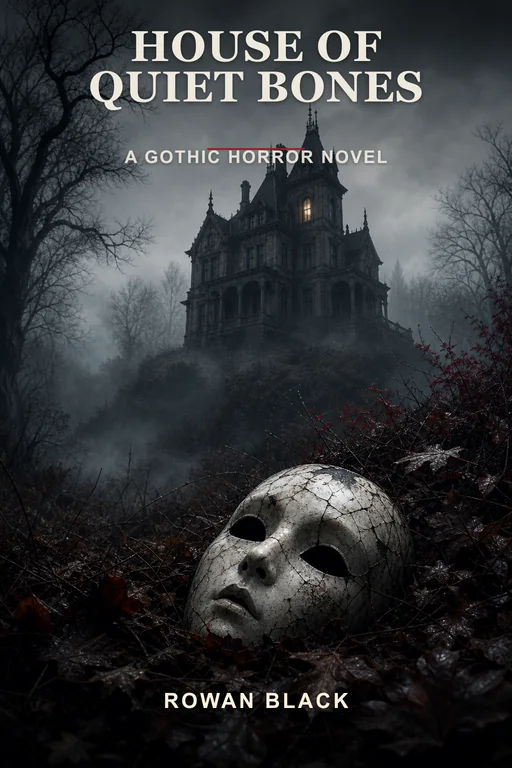
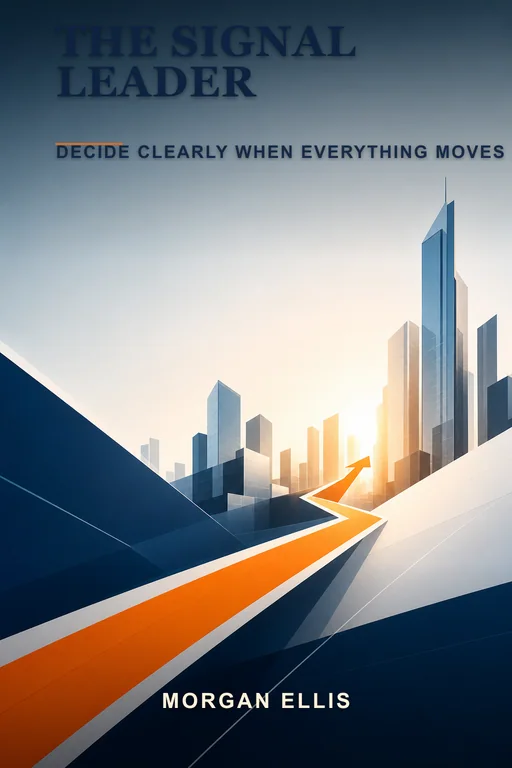
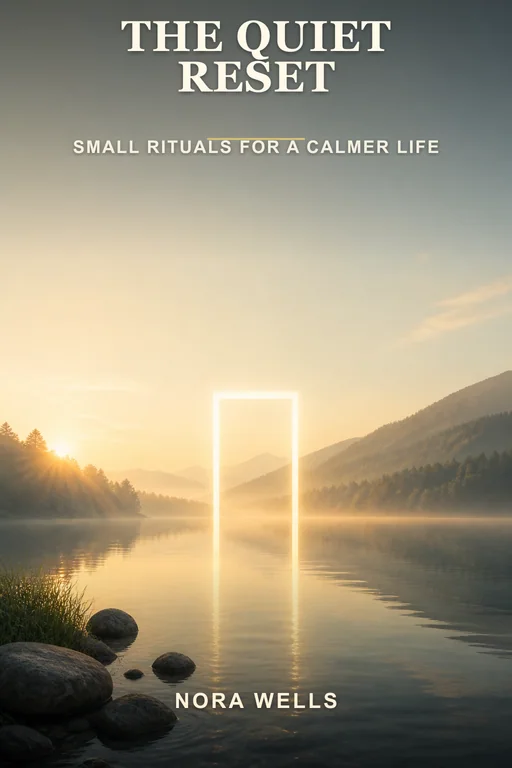
Shape a cover concept around your title, genre, and audience.
Describe the book, reader, tone, title, author, visual motif, and publishing format. Explore a cover direction, then refine typography, imagery, and series consistency through chat.
Start with the details that matter, then refine one clear direction at a time.
01
Share the publishing brief
Add the exact title, subtitle, author name, genre, target reader, tone, and whether the design is for ebook, paperback, or audiobook use.
02
Choose the visual promise
Describe the central image, symbolism, palette, typography direction, and what should be understood at thumbnail size.
03
Refine and proofread
Review title and author text, genre signals, hierarchy, and edge spacing, then request focused revisions.
Creative direction
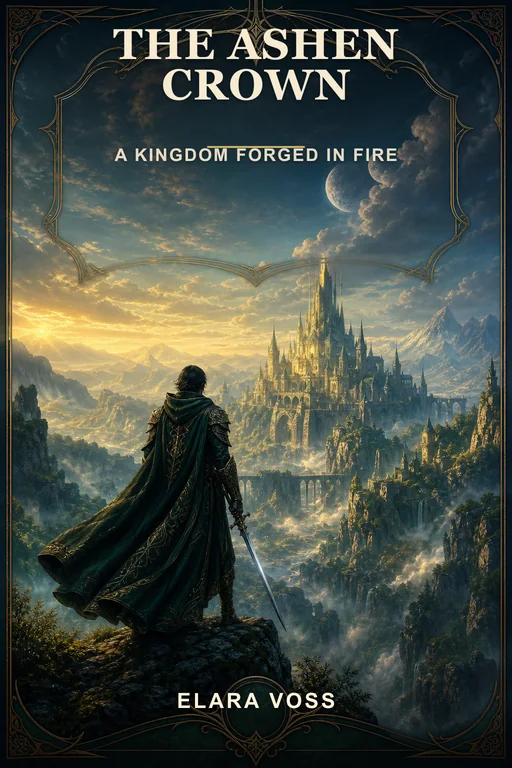
Signal a fiction genre clearly
Use imagery, typography, and mood that help the intended reader recognize the genre before reading the description.
Try this promptCreate a vertical epic fantasy book cover for ‘The Glass Kingdom’ by Mara Vale. Show a distant crystal citadel above a stormy valley, dramatic scale, elegant serif title, dark teal and silver palette.
Epic fantasy book cover · AI-generated inspiration
Creative direction
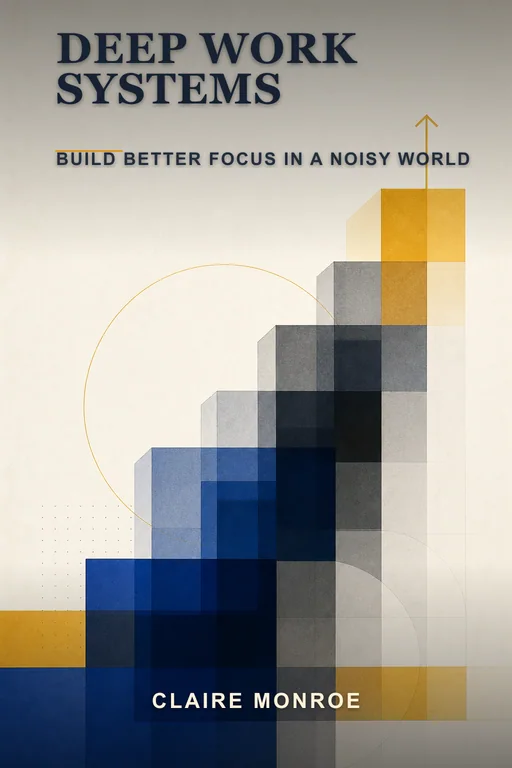
Build a credible nonfiction cover
Make one promise visible with a strong title hierarchy, controlled imagery, and enough restraint for professional publishing.
Try this promptCreate a clean nonfiction cover for ‘Quiet Systems’ by Lena Park, about building sustainable work habits. Use one geometric visual metaphor, bold readable typography, and a calm navy and cream palette.
Productivity nonfiction book cover · AI-generated inspiration
Creative direction
Plan a recognizable series
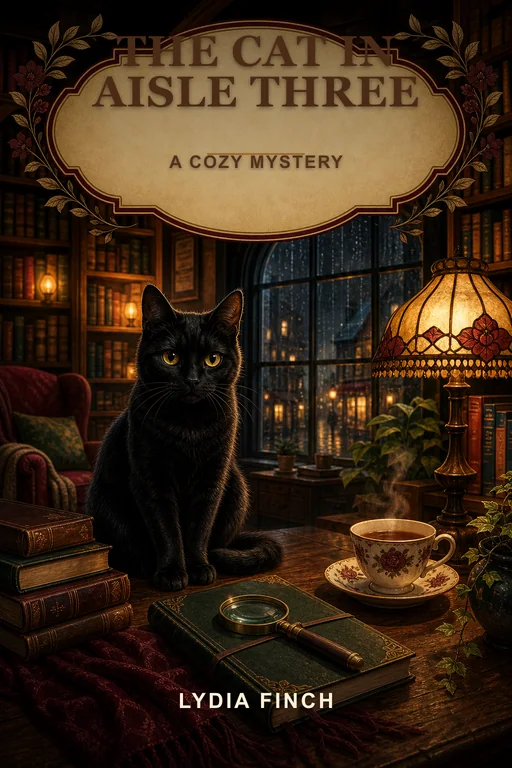
Repeat typography, framing, palette logic, and a shared motif while leaving room for each volume to feel distinct.
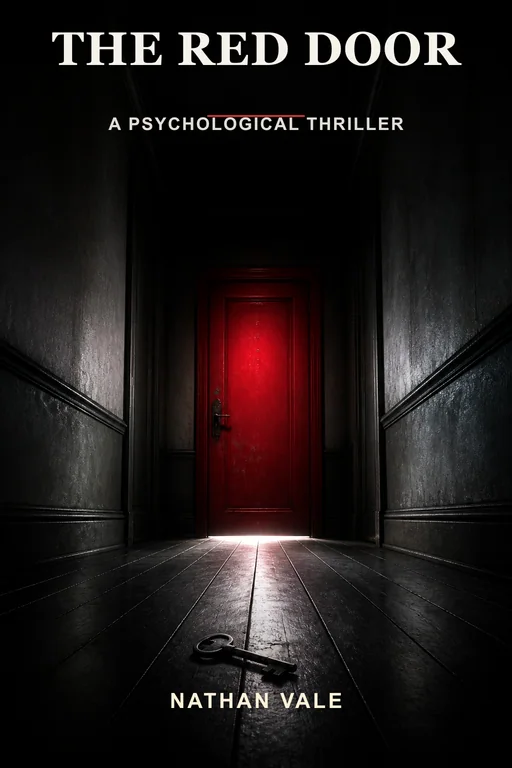
Try this promptDesign volume two of a mystery series. Preserve the same title placement, author treatment, border system, and muted noir palette while changing the central location to a foggy railway platform.
Protect the title hierarchy. State the exact title, subtitle, author name, and which line should dominate.
Name the reader and genre. A useful cover needs to communicate the right promise at a glance.
Check thumbnail readability. Reduce unnecessary detail and make sure the main title survives at small sizes.
Plan the full package separately. A generated front-cover concept is not automatically a measured paperback wrap with spine and bleed.
Frequently asked questions
Can I create ebook and paperback covers?
You can create front-cover concepts for ebooks, Kindle, paperbacks, audiobooks, and promotional use. Confirm final dimensions, bleed, spine, and platform requirements separately.
What should I include in a book cover prompt?
Include the exact title and author, genre, target reader, tone, central imagery, typography direction, palette, and publishing format.
Can I make covers for a series?
Yes. Describe the elements that must remain consistent across volumes, such as typography, framing, palette logic, and recurring motifs.
Will generated title text always be correct?
AI-generated text can contain errors. Check the title, subtitle, author name, series information, and any award or review copy before use.
Is the AI book cover generator free?
Image generation uses Vismuse credits. Check the current pricing page and the credit requirement shown before generating.